Was Troy real? What is actually inside the sealed tombs? Did a civilisation really vanish overnight? Every video takes one famous site, find or legend and gives you the honest account: what the dig found, what the lab says, what the ancient writers wrote, and the part everyone got wrong.
The clickbait says "scientists opened it and were shocked". We show you what was actually dug up, how it was dated, who wrote the story first, and what nobody can know yet.
The dig, layer by layerExcavation sections drawn on graph paper: what lies on top of what, and which layer the find came from.
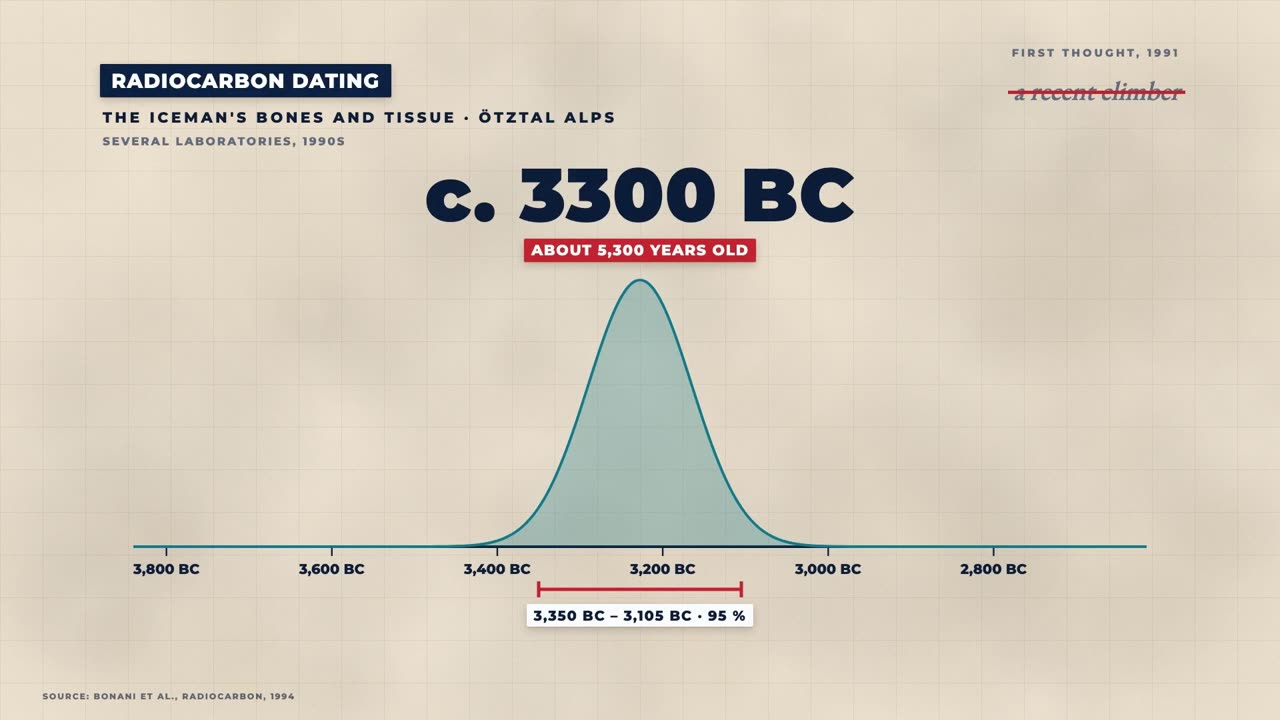
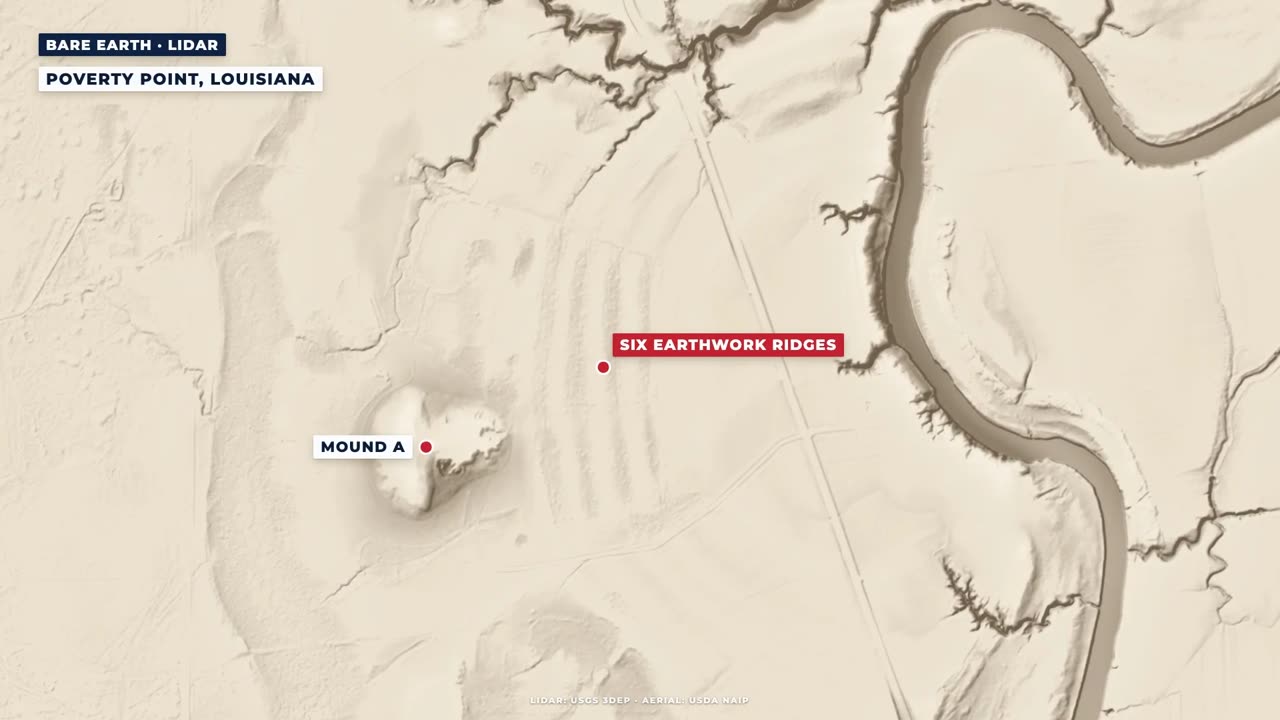
The lab, with its error barsRadiocarbon ranges, tree rings, ancient DNA and LiDAR scans, from the published papers.
The text, word for wordWhat the ancient writers actually said, in a named translation, and how many centuries after the events they wrote it.
See it yourselfThe museum that holds the object, the site you can visit, the paper you can read for free.
On screen
How the evidence looks
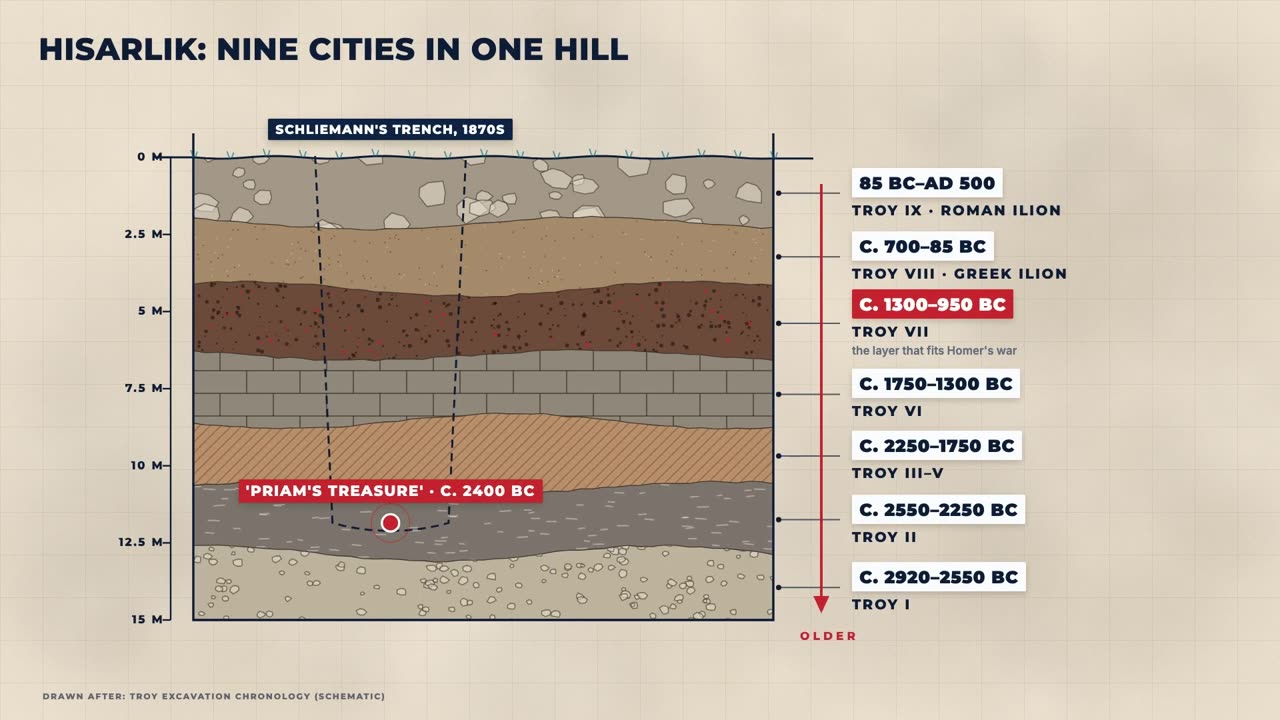
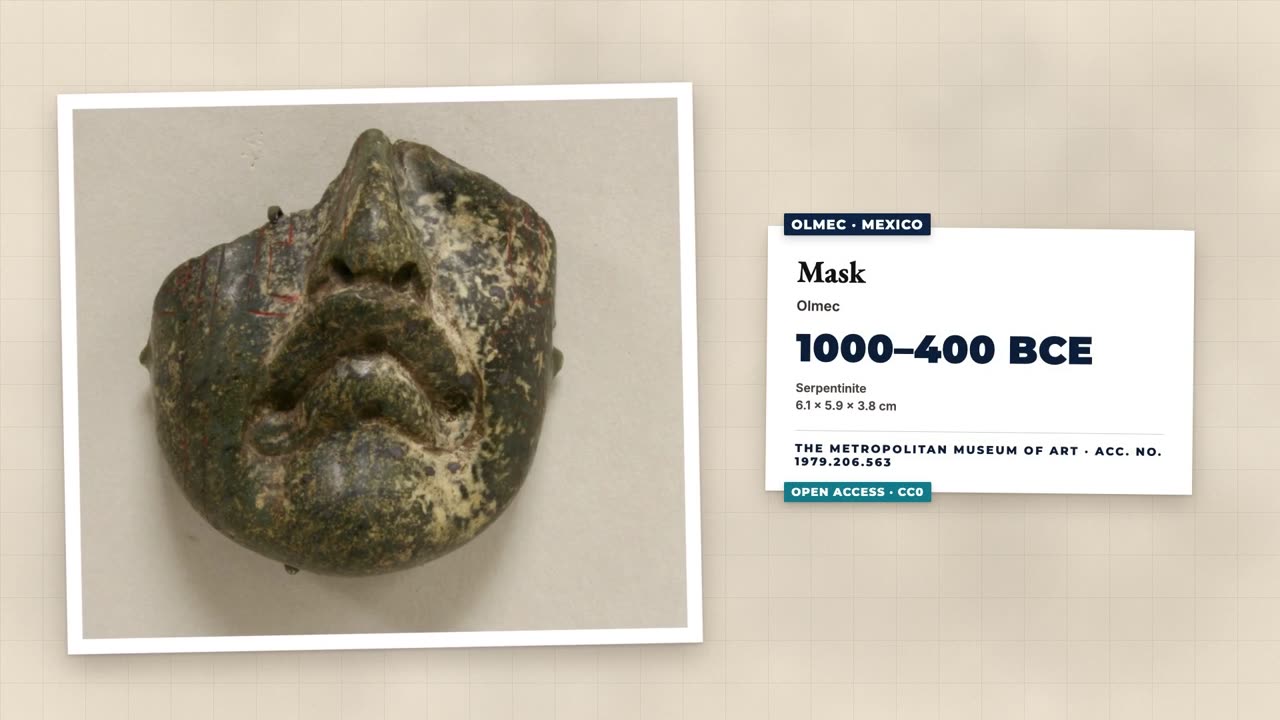
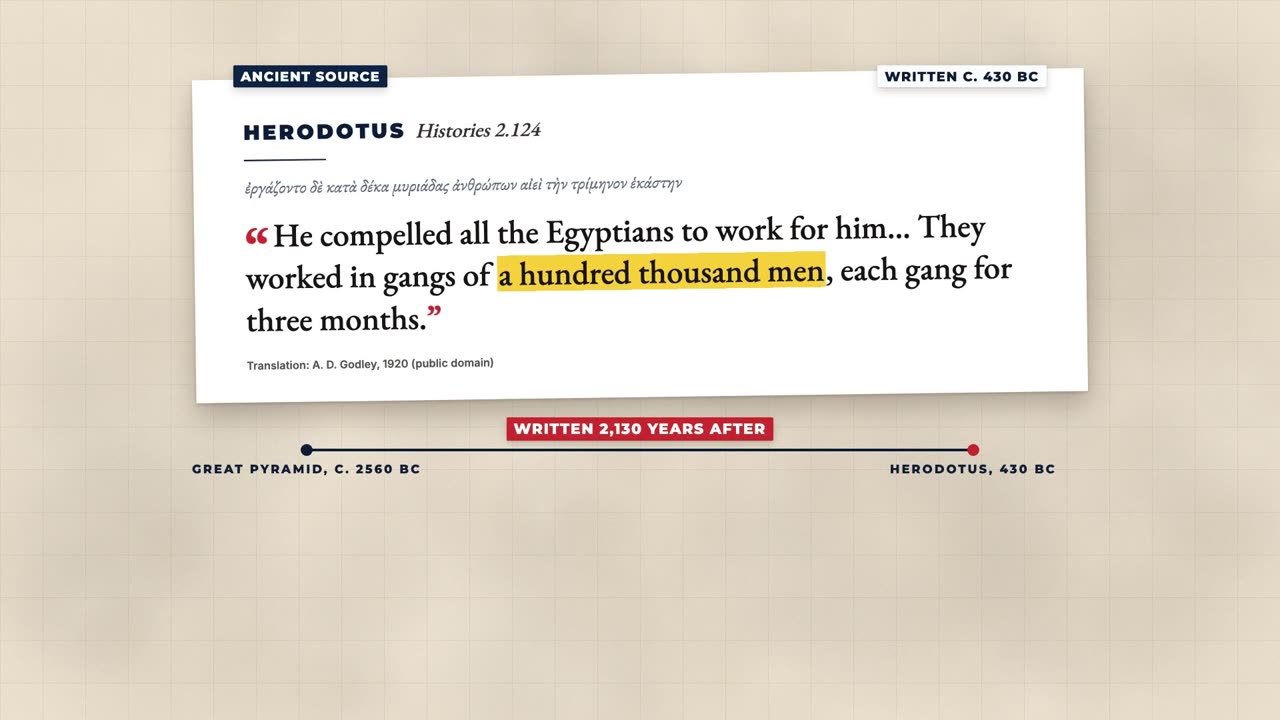
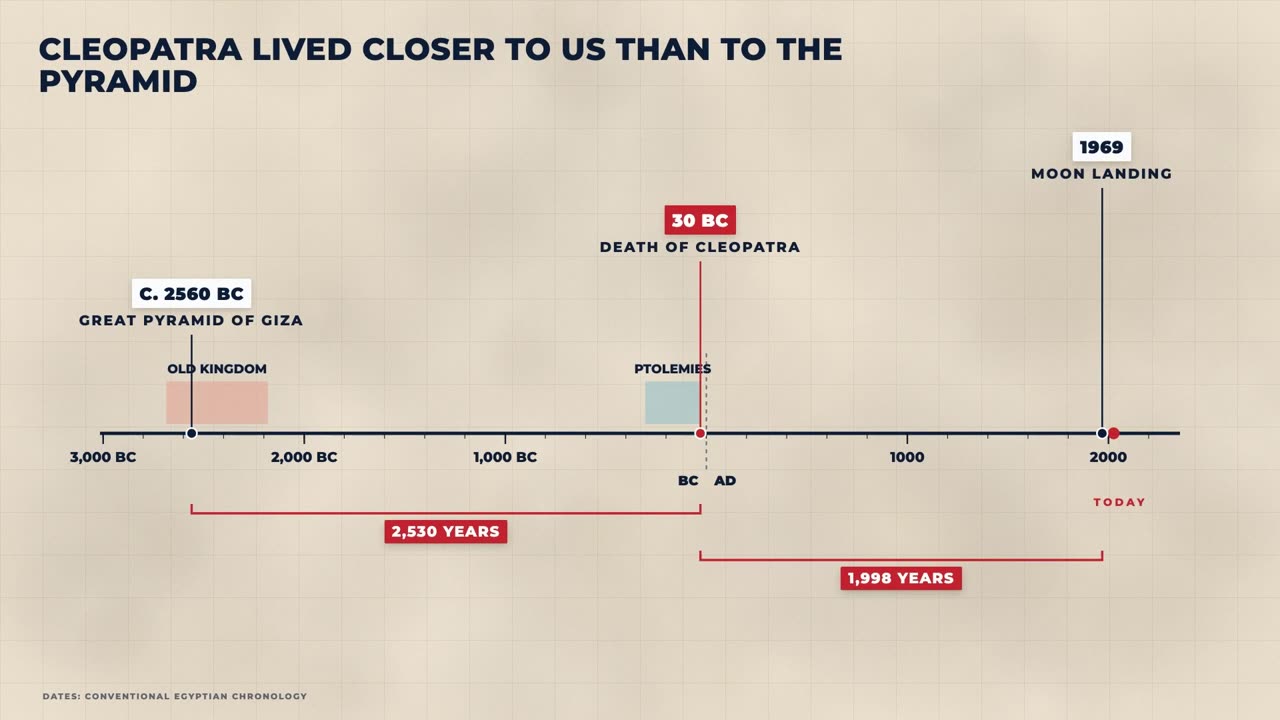
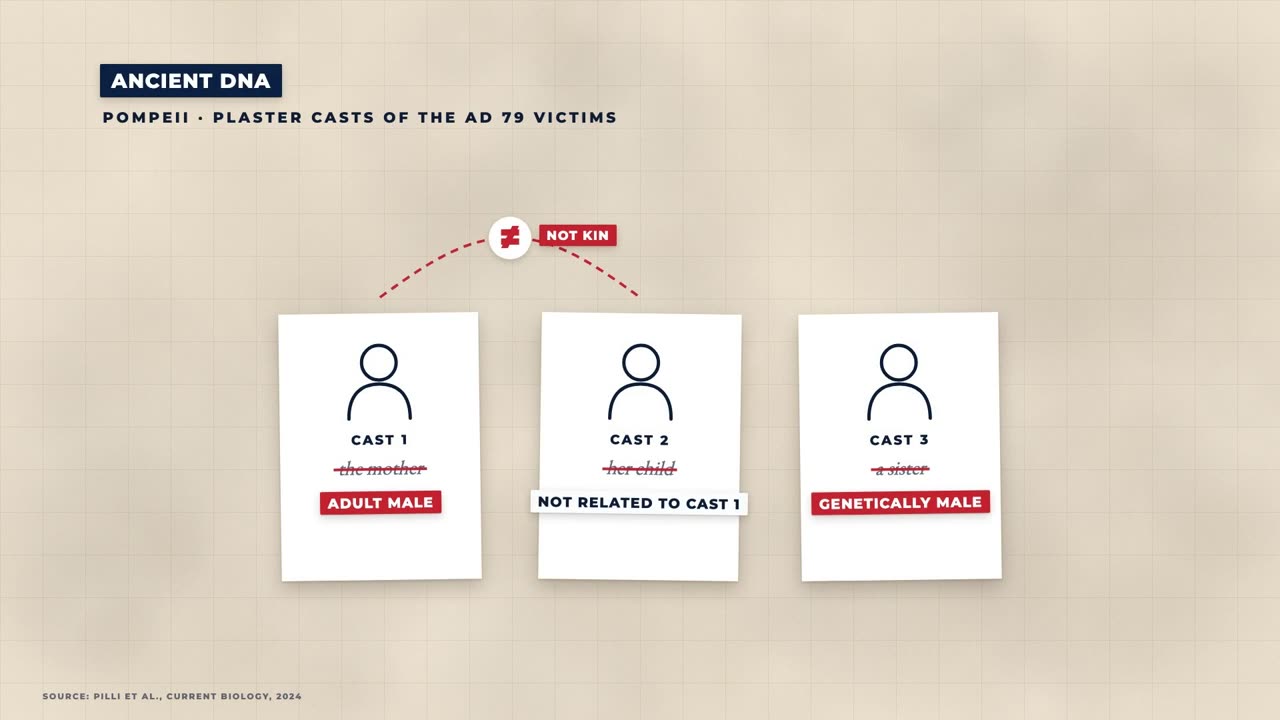
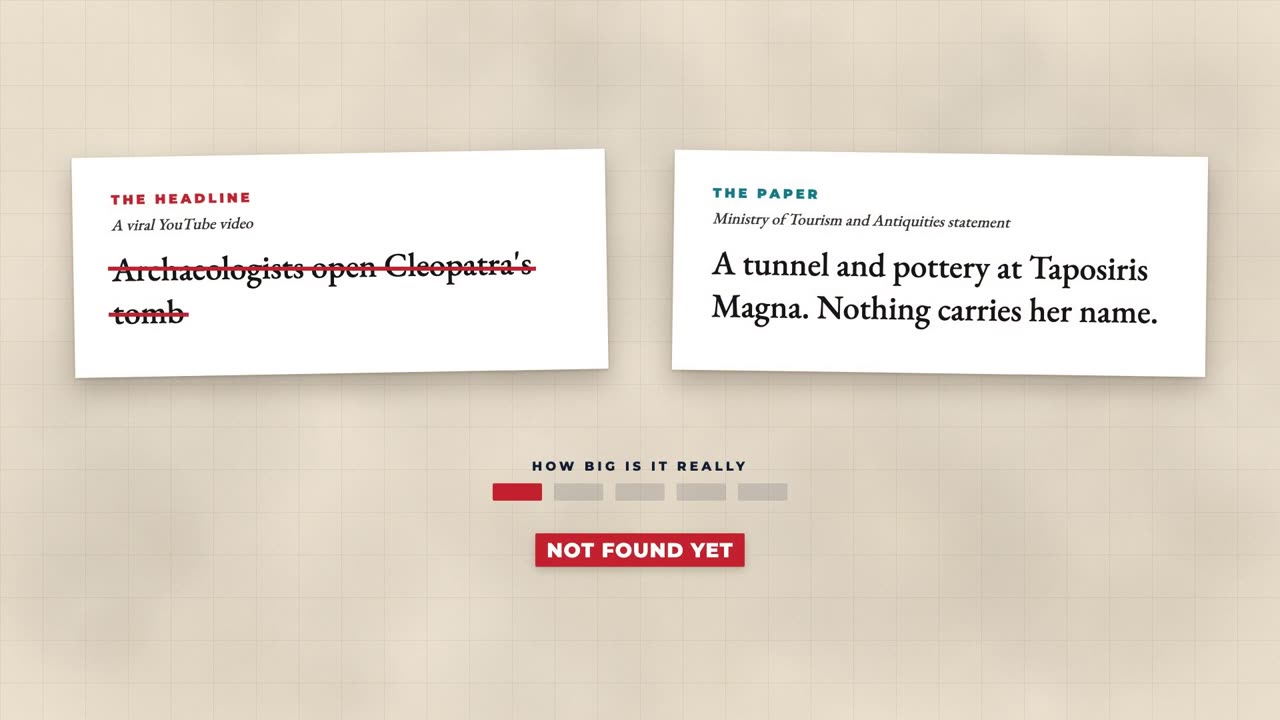
The trenchTroy's nine cities stacked in one hill, each layer dated, and the 1870s trench that dug straight through the one everyone was looking for.The objectReal museum pieces with their real labels and accession numbers, from open-access collections.The ancient sourceHerodotus wrote about the Great Pyramid 2,130 years after it was built.Deep timeCleopatra lived closer to the Moon landing than to the building of the Great Pyramid.The lab dateEvery date with its method and its range, and the old guess struck out.Ancient DNAThe "mother" in a Pompeii cast was an unrelated man.LiDARThe forest stripped away: earthworks hidden for three thousand years.The verdictEvery month: what the headline said, what the paper says, and how big it really is.
Method
How an episode runs
The claimThe story everyone repeats, set against one fact you can check.
Where and whenThe site on the map, and its age against a span you can picture.
The old storyWho told it first, and what it was built on.
The digWhat the excavators found, and in which layer.
The labThe dates, the DNA, the scans, with their ranges.
The textThe ancient writers' own words, and how long after they wrote.
The correctionThe part everyone got wrong, and what we still can't know.
See it yourselfThe museum, the site and the paper you can read for free.
Coming up
On the dig list
Egypt
Everything we know about Cleopatra's tomb, and what the headlines got wrong
Lost tombs
Rapa Nui
Everything we know about Easter Island, and the collapse story that was wrong
Collapses
Italy
AI is reading the burned scrolls of Herculaneum
New science
Peru
What everyone gets wrong about Peru's 100-ton stones
How they built it
Alexandria
The library didn't burn in a day
Lost worlds
Every month
What archaeologists found this month, and what the papers actually say
Roundup
Your host
Meet Gemma
Gemma is an AI presenter. Her face and her voice are generated. She is not an archaeologist and never claims a dig: every word she says is written from excavation reports, published research and museum records, listed in each video's description.
Sources, alwaysThe excavation, the lab and the paper for every date, with the year.
Respect for the deadRemains and sacred sites are handled with care. No gratuitous pictures of bodies.
Corrections, in publicWhen the evidence changes or we get something wrong, the fix goes in the description with a timestamp.
Next mystery
Which site should we dig into next?
Subscribe, and tell us in the comments. The next trench might be yours.